Regain Your Comfort with Advanced Hernia Treatment
A hernia can start as a small bulge or mild discomfort, but over time it can interfere with your daily routine and quality of life. Whether you experience pain while lifting objects, exercising, coughing, or even during routine activities, ignoring a hernia may lead to complications that require emergency treatment.
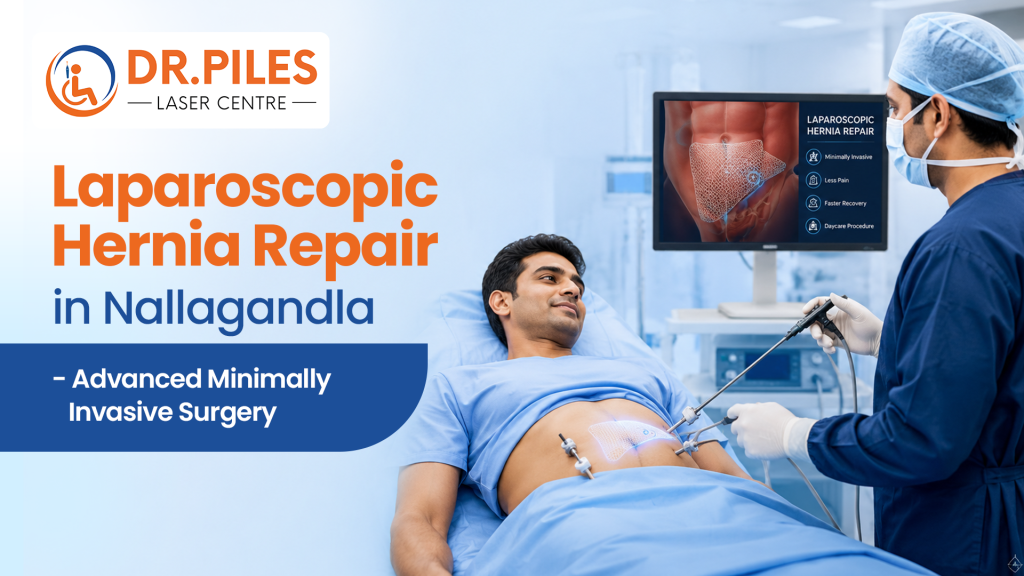
Fortunately, modern surgical advancements have transformed the way hernias are treated. Laparoscopic hernia repair is a minimally invasive procedure that offers less pain, smaller scars, faster recovery, and excellent long-term outcomes compared to traditional open surgery.
If you are looking for laparoscopic hernia repair in Nallagandla, choosing an experienced laparoscopic surgeon ensures safe treatment, quicker healing, and a smooth recovery.
What is a Hernia?
A hernia occurs when an internal organ or fatty tissue pushes through a weak area in the surrounding muscle or connective tissue. This creates a visible bulge that may become more noticeable while standing, coughing, or lifting heavy objects.
Although a hernia may initially seem harmless, it does not heal on its own. In most cases, surgery is the only permanent treatment.Without timely treatment, the hernia can enlarge, become painful, or even trap the intestine, leading to serious complications.
Common Types of Hernias
Different types of hernias require different surgical approaches. The most common include:
Inguinal Hernia
The most common type, occurring in the groin area. It is more common in men but can also affect women.
Umbilical Hernia
Occurs near the belly button due to weakness in the abdominal wall.
Femoral Hernia
Develops near the upper thigh and is more common in women.
Incisional Hernia
Forms at the site of a previous abdominal surgery where the muscles have weakened.
Epigastric Hernia
Appears between the breastbone and the navel due to weakness in the abdominal muscles
What is Laparoscopic Hernia Repair?
Laparoscopic hernia repair is an advanced minimally invasive surgery performed using tiny incisions instead of one large cut.
During the procedure:
- Small incisions are made in the abdomen.
- A laparoscope (a thin camera) is inserted.
- Special surgical instruments repair the weakened muscle.
- A surgical mesh is placed to strengthen the abdominal wall.
- The small incisions are closed with minimal stitches.
The procedure is performed under general anaesthesia and usually takes between 30 minutes and 90 minutes, depending on the complexity of the hernia.
Why Choose Laparoscopic Hernia Surgery?
Compared to conventional open surgery, laparoscopic repair provides several important advantages.
Smaller Incisions
Tiny keyhole incisions reduce tissue damage and minimise scarring.
Less Pain
Patients usually experience significantly less postoperative pain.
Faster Recovery
Most individuals resume normal daily activities much earlier.
Minimal Blood Loss
Small incisions reduce bleeding during surgery.
Lower Infection Risk
Minimally invasive techniques decrease the chances of wound infections.
Better Cosmetic Results
The tiny scars are barely visible after healing.
Shorter Hospital Stay
Many patients return home on the same day or within 24 hours.
Early Return to Work
Office workers often resume work within a few days, depending on their recovery.
Who Needs Hernia Surgery?
Your surgeon may recommend surgery if:
- The hernia continues to grow
- Pain interferes with daily life
- The bulge causes discomfort
- The hernia becomes difficult to push back
- There is a risk of bowel obstruction
- You have recurrent hernias
- Physical activity becomes difficult
Early surgery often results in easier procedures and better outcomes.
Who is an Ideal Candidate for Laparoscopic Hernia Repair?
Most adults with uncomplicated hernias are suitable candidates.
Laparoscopic surgery is especially beneficial for:
- Bilateral (both-sided) hernias
- Recurrent hernias
- Working professionals
- Athletes
- Individuals seeking faster recovery
- Patients wanting minimal scarring
Your surgeon will assess your overall health before recommending the most appropriate treatment.
What Happens During the Procedure?
The surgery generally follows these steps:
Step 1: Anaesthesia
General anaesthesia is administered so you remain comfortable throughout the procedure.
Step 2: Small Incisions
Three tiny incisions are made in the abdomen.
Step 3: Camera Insertion
A laparoscope provides a clear, magnified view of the hernia.
Step 4: Hernia Repair
The protruding tissue is carefully repositioned.
Step 5: Mesh Placement
A specialised surgical mesh reinforces the weakened muscle to reduce recurrence.
Step 6: Closure
The small incisions are closed using sutures or surgical glue.
Recovery After Laparoscopic Hernia Repair
One of the biggest advantages of minimally invasive surgery is faster recovery.
Most patients experience:
- Walking within a few hours
- Same-day discharge in many cases
- Mild discomfort for a few days
- Return to desk work within one week
- Gradual return to normal activities
- Full recovery within a few weeks
Recovery varies depending on age, general health, and the type of hernia repaired.
Can a Hernia Return After Surgery?
Modern mesh repair has greatly reduced recurrence rates.
However, recurrence can occur if:
- Heavy lifting is resumed too early
- Chronic coughing is untreated
- Obesity places excessive pressure on the abdominal wall
- Smoking affects tissue healing
- Proper postoperative instructions are not followers
Maintaining a healthy lifestyle can help prevent recurrence.
Why Early Hernia Treatment Matters
Delaying treatment may lead to:
- Increasing pain
- Enlargement of the hernia
- Difficulty performing daily activities
- Intestinal obstruction
- Strangulated hernia (loss of blood supply to the intestine)
- Emergency surgery
Early diagnosis and planned surgery are generally safer and associated with faster recovery.
Why Choose Advanced Laparoscopic Hernia Repair in Nallagandla?
When selecting a surgeon for hernia treatment, consider factors such as:
- Expertise in minimally invasive surgery
- Modern laparoscopic equipment
- Comprehensive preoperative evaluation
- Personalised treatment plans
- High standards of patient safety
- Skilled surgical team
- Structured postoperative care
- Focus on long-term recovery and patient comfort
Frequently Asked Questions (FAQs)
1. Is laparoscopic hernia repair painful?
Most patients experience only mild discomfort after surgery. Because the procedure uses small incisions, postoperative pain is usually much less than with traditional open surgery.
2. How long does laparoscopic hernia surgery take?
The procedure typically takes 30 to 90 minutes, depending on the type and size of the hernia.
3. How soon can I return to work after hernia surgery?
Many people with desk jobs return to work within 5 to 7 days, while those with physically demanding jobs may need a longer recovery period based on their surgeon’s advice.
4. Is laparoscopic hernia repair safe?
Yes. It is a widely performed and safe procedure when carried out by an experienced laparoscopic surgeon. It offers a lower risk of complications, less pain, and faster recovery for most patients.
5. Can a hernia heal without surgery?
No. Hernias do not heal on their own. Surgery is the only permanent treatment to repair the weakened abdominal wall and prevent complications.
Say Goodbye to Hernia Pain with Advanced Laparoscopic Surgery in Nallagandla
A hernia may begin with mild discomfort, but it should never be ignored. Timely treatment helps prevent complications and allows you to return to your normal routine with confidence.Laparoscopic hernia repair has become the preferred treatment for many patients because it offers smaller incisions, reduced pain, faster healing, shorter hospital stays, and excellent long-term results.
If you are experiencing symptoms of a hernia, consult an experienced laparoscopic surgeon in Nallagandla for a thorough evaluation and personalised treatment plan. Early intervention can help you recover comfortably and get back to living an active, pain-free life.
Book a consultation today. Call +91 9676479069
Visit our website: https://drlaserpilescenter.com/about